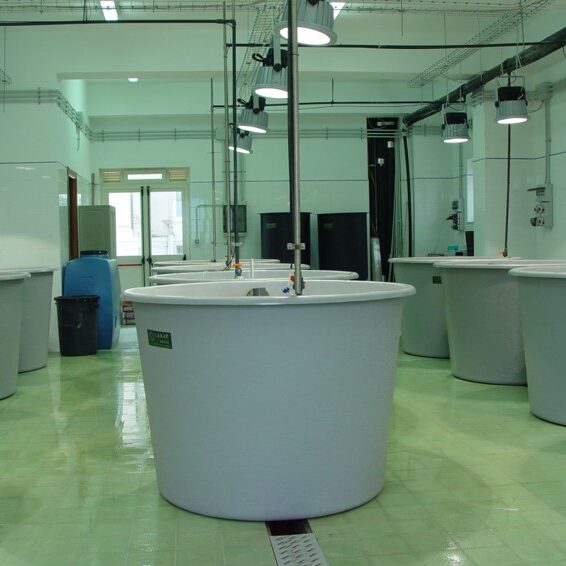

The Messina site was founded in 1916 as the Central Institute of Marine Biology, following the establishment of the Royal Thalassographic Committee, which held "executive functions for the physical, chemical, and biological study of the Italian seas, mainly in relation to the shipping and fishing industry, and for the exploration of the upper atmosphere with regard to air navigation." It later became the Experimental Thalassographic Institute (1954) and subsequently, through a reorganization of the CNR, merged into the National Coordination Institute for Marine Sciences (ISMARE, in 1995) and later (in 2001) into the Institute for Coastal Marine Environment (IAMC). In 2018 it became the Headquarters of CNR-IRBIM, before becoming a Secondary Office (2026).

Institute Research Center
via S. Ranieri, 86
98122 - Messina, IT

+39 090 6015411
+39 090 669007

Responsabile di Sede Secondaria
Giulia Maricchiolo
giulia.maricchiolo@irbim.cnr.it
+39 090 6015463
giulia.maricchiolo2
PEOPLE


Areas of Research

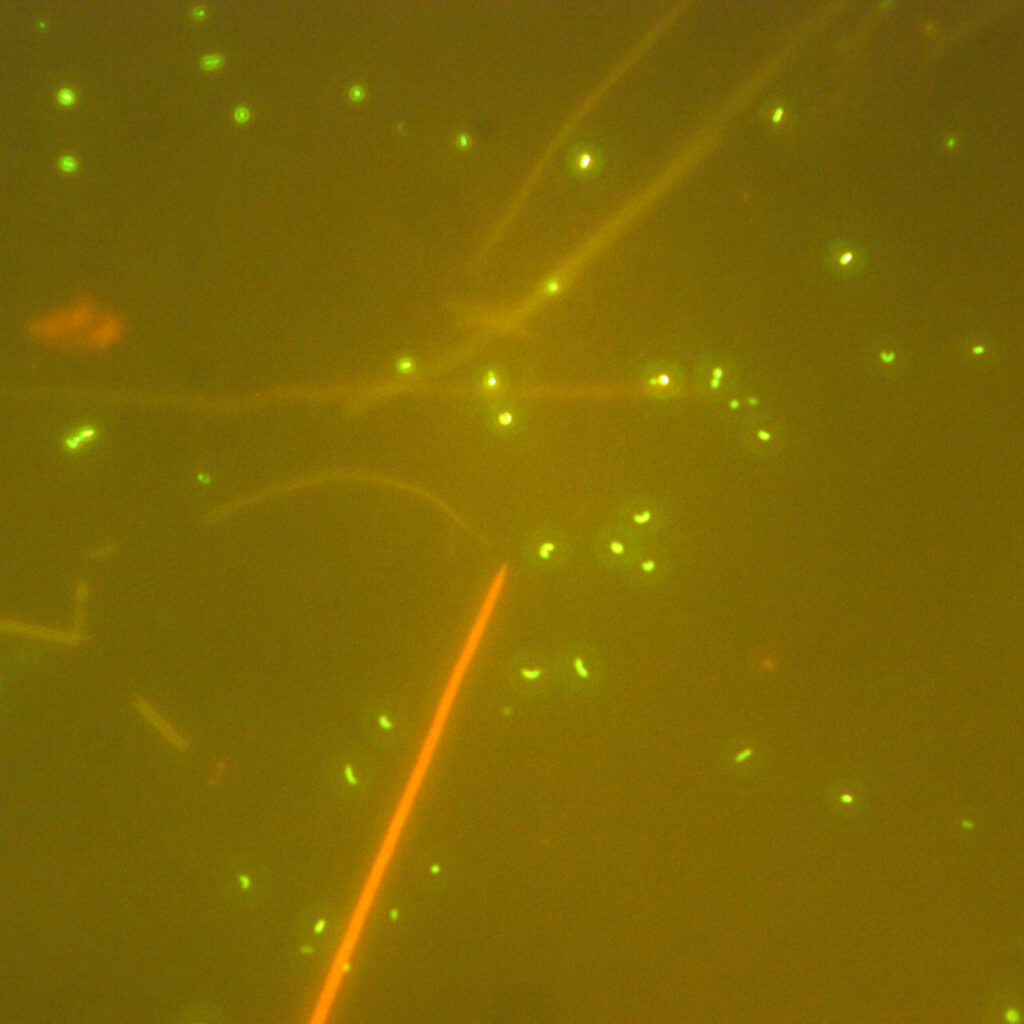
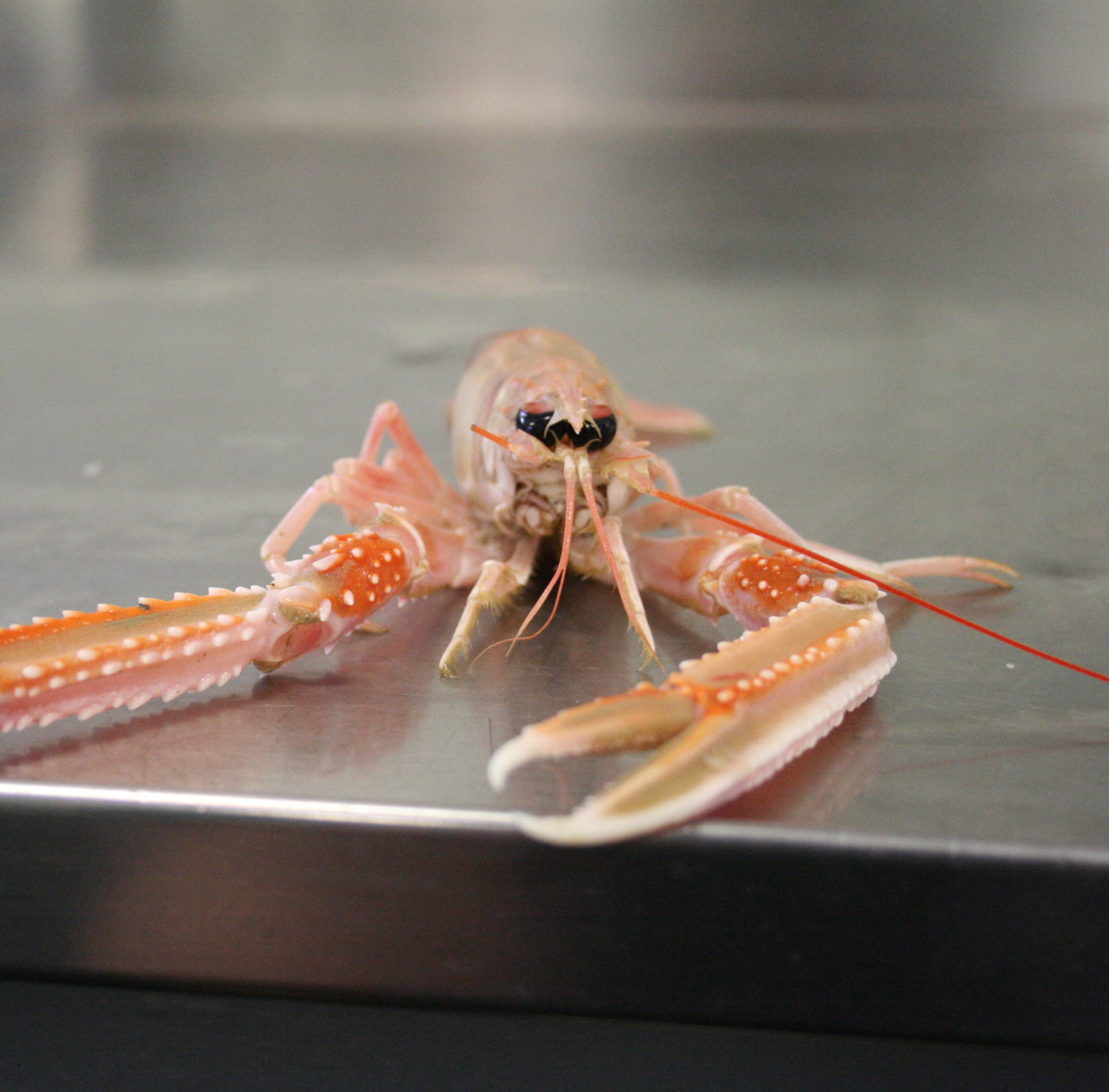
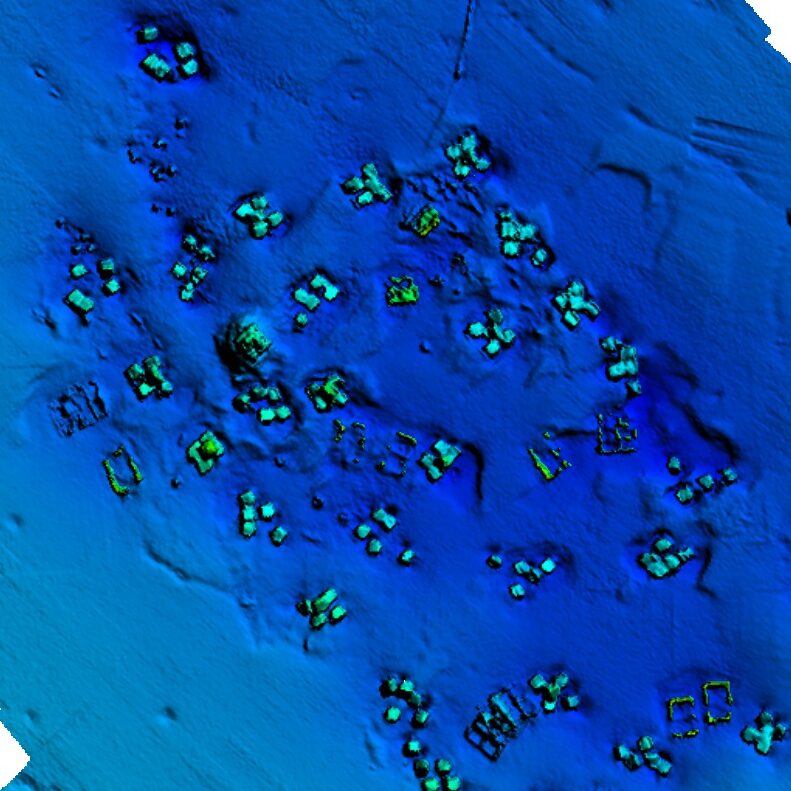
The research activities of the Institute are carried out in the context of research, development and innovation projects, both national and international, based on regional funding programs (POR FEAMPA - Regional Operational Program of the European Maritime Affairs Fisheries Fund and Aquaculture and POR FESR - Regional Operational Program of the European Regional Development Fund) or ministerial (PRIN - Projects of relevant national interest, PNRA - National Research Program in Antarctica, PO FEAMPA - National Operational Program European Maritime Affairs Fisheries and Aquaculture Fund) , programs for European Territorial Cooperation (Interreg), direct funding programs of the European Commission (Horizon2020 and Horizon Europe, Life, JPI - Joint Programming Initiatives, ERA-NET Cofund) and thematic collaboration initiatives managed by international organizations such as, for example , the FAO - GFCM (General Fisheries Commission for the Mediterranean). The Institute also develops funded projects in the context of collaborations with private companies in the sectors of the blue economy as well as technology transfer and research results. Research projects, mainly of a collaborative nature, are developed through a wide network of partners that include major Italian and foreign research institutions and universities.

FIND OUT MORE
error: Content is protected !!