
Institute
The Institute for Marine Biological Resources and Biotechnology of the National Research Council (CNR-IRBIM) develops fundamental and applied research activities to study marine organisms and ecosystems and their evolution, in relation to global change and human impact. Through a highly interdisciplinary approach, the Institute's main research activities focus on the biology and ecology of marine organisms, including alien species; population structure and the distribution of fishery resources; sustainable fisheries management and resource conservation; the marine microbiome; microbial biotechnologies; fishing technologies and marine bioacoustics; sustainable aquaculture and One Health; biodiversity conservation; ocean observation; the anthropogenic impacts of coastal and maritime activities on marine ecosystems; and oceanographic and biogeomorphological processes for the sustainable management of marine ecosystems.
To advance knowledge and innovation in the field of marine sciences, CNR-IRBIM operates through a network of research laboratories and infrastructures distributed across 11 sites, in close collaboration with national and international scientific partners (universities, research bodies), as well as partners from industry and public institutions. Founded in 2018, the Institute comprises a total staff of approximately 300 people, bringing together at its sites research scientists, technologists, technical and administrative personnel, and early-career researchers in training (fellows, research grant holders, and PhD students).
CNR-IRBIM promotes communication, scientific dissemination, and public engagement activities on themes such as the protection and safeguarding of marine biodiversity and ecosystems, the sustainable economy of the sea, and the management of its resources. Through the international Fishmed PhD programme, it contributes to training a new generation of researchers with expertise in the field of marine biodiversity and the management of marine biological resources.
Mission
Ecco la traduzione:
CNR-IRBIM's mission is to contribute to scientific and technological research on marine biodiversity, resources, ecosystems, and marine biotechnologies, and to disseminate this knowledge in order to advance the country's scientific and cultural progress. The knowledge produced is also made available in support of national and European policies, and to promote innovation, sustainability, and competitiveness in sectors of the marine economy such as fisheries, aquaculture, and blue biotechnologies.
The mission is pursued through the integration of different disciplines and technologies, the involvement of talented researchers, the open and collaborative management of its facilities, and the development of research projects through participation in competitive national and international calls, in partnership with leading Italian and foreign research centres. CNR-IRBIM fosters innovation and technology transfer, the creation of start-ups and spin-offs, and the establishment of joint laboratories.
It promotes and takes part in the Fano Marine Center, a joint research laboratory for the study of biodiversity, marine resources, and blue biotechnologies, established through an agreement between the University of Bologna, the University of Urbino, the Marche Polytechnic University, the Anton Dohrn Zoological Station, CNR-IRBIM, and the Municipality of Fano. The FMC is a national and international hub of excellence for integrated, multidisciplinary, and collaborative research on marine biodiversity, resources, and biotechnologies, also in support of the marine economy in the Mediterranean.
CNR-IRBIM develops numerous national and international collaborations with research centres and universities, including through mobility programmes for students and researchers (among them the "Short Term Mobility IRBIM — Call for International Mobility of CNR-IRBIM"). IRBIM upholds the freedom and independence of science, dignity and fairness, and the recognition of merit and expertise, in order to create an environment conducive to research.
History
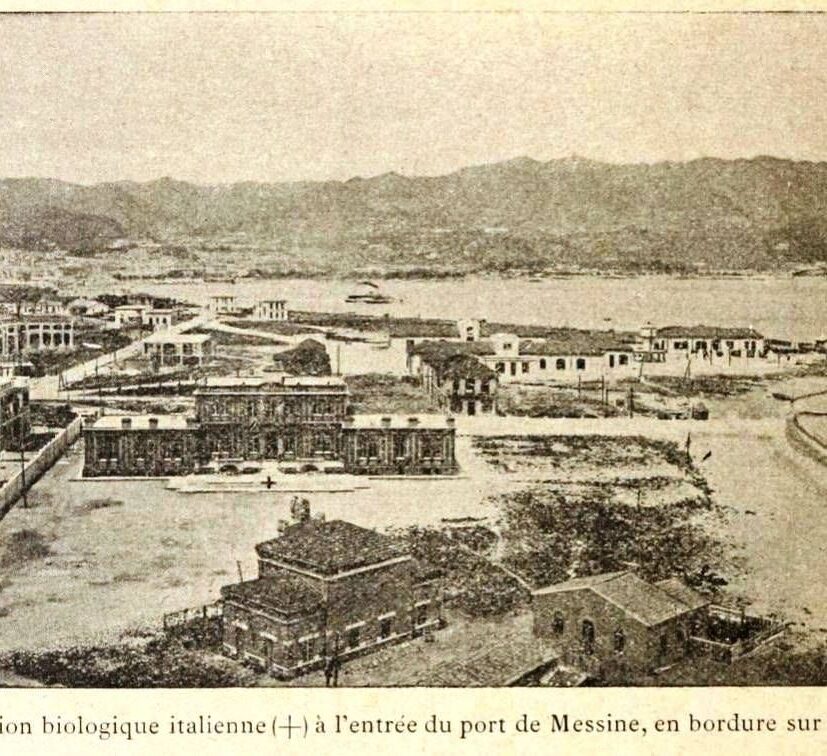
The Institute for Biological Resources and Marine Biotechnology of the National Research Council was born on 19 September 2018, following the reorganization of the CNR marine Institutes belonging to the Department of Earth System Sciences and Environmental Technologies - DSSTTA . However, the Institute aggregates previously existing Research Centers having great tradition and history in the field of marine science. The sites of CNR-IRBIM represent over a century of Italian marine biological research. Distributed along the country's coastlines, these facilities were established in different eras and contexts, evolving through the many reorganizations of the National Research Council. Their origins are rooted in the earliest laboratories dedicated to marine biology, fisheries, and aquaculture, in the first thalassographic studies, in coastal ecosystems and biodiversity, and extending to marine corrosion and anthropogenic impacts, constituting a unique scientific and cultural heritage. In July 2026, with the reorganization of the CNR institutes, all these entities merged into CNR-IRBIM, giving rise to a single national institute that integrates complementary expertise in marine biodiversity, biological resources, biotechnologies, sustainability, and marine ecosystems. Each site retains its own identity, history, and specific scientific vocations, which contribute to the Institute's shared mission.
FIND OUT MORE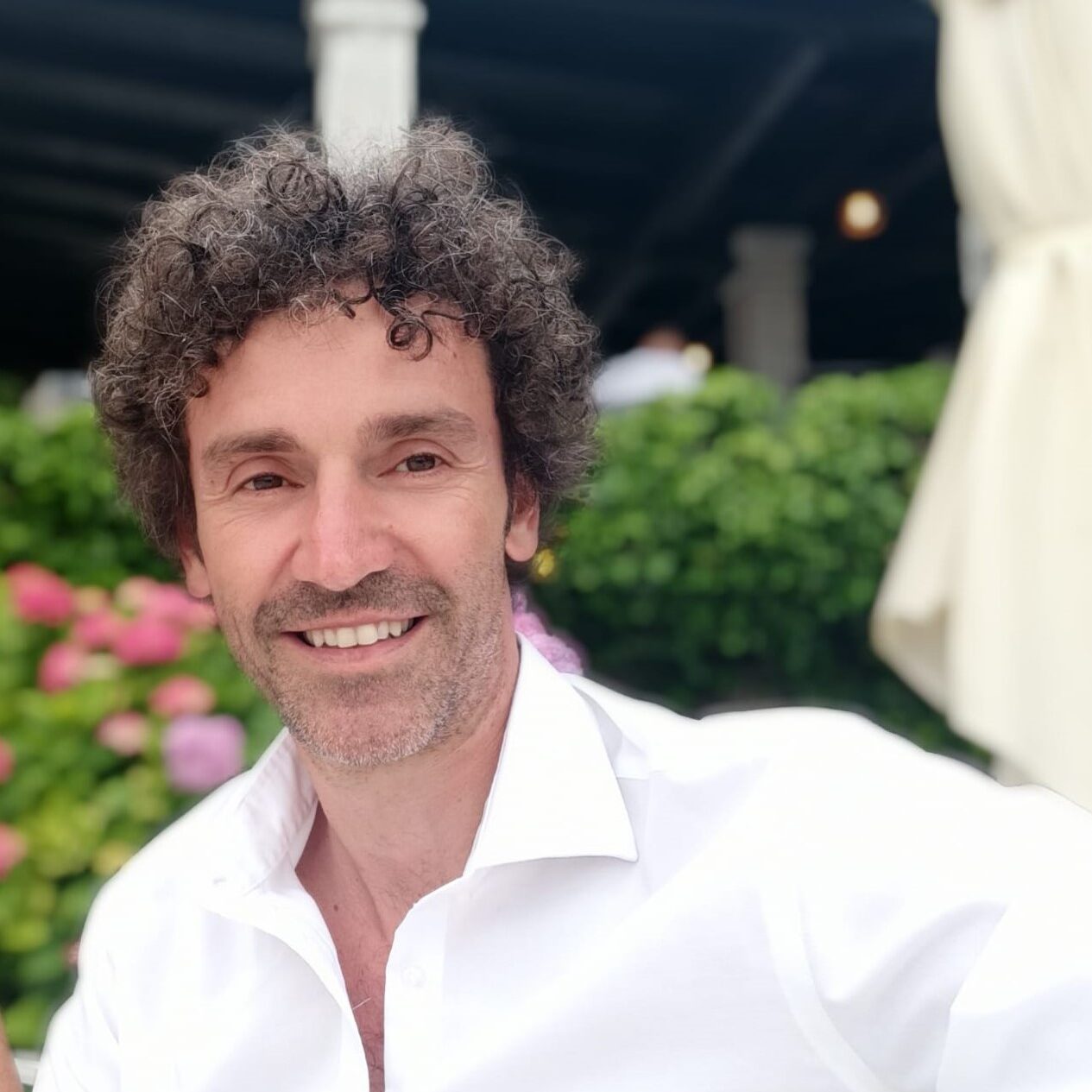
Director
Gian Marco Luna
Director of CNR IRBIM since December 2020 (formerly Acting Director of CNR IRBIM during 2018-2020). Research Director, hired at the CNR in 2011, he obtained a PhD in Marine Biology and Ecology at the Polytechnic University of Marche (2005). He carried out scientific research at UnivPM (2006-2011), then at the CNR ISMAR Institute Main Office in Venice (2011-2016) and later at its Secondary Office in Ancona (2016-2018). He has participated in national and international research projects and scientific expeditions around the globe, and has been a visiting scientist in foreign Research Centers. He is the author of >100 publications including articles in peer reviewed scientific journals, popular articles on marine sciences and book chapters. His research investigates the marine ecosystem and how marine microorganisms affect its functioning, from the coastal area to the abyssal depths, with emphasis on the mechanisms that regulate biodiversity and the response of the marine (micro)biota to human impact and global change.
FIND OUT MORE